
Preventing Concrete craks during hot weather: Tips and best practices
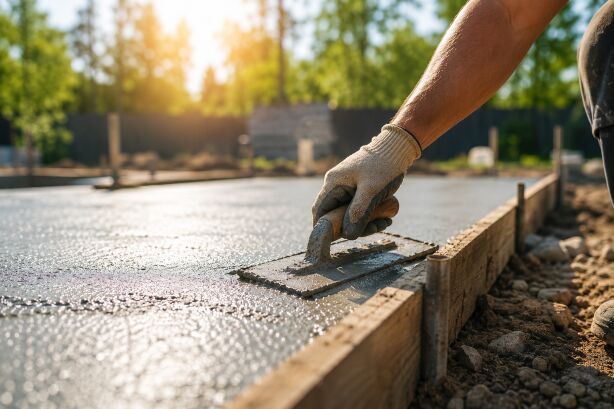
Concrete is a durable and reliable material, but it is still affected by weather conditions. During hot summer weather, concrete can crack prematurely if proper precautions are not taken. These cracks can compromise its strength, appearance, and long-term durability. Fortunately, several measures can help prevent concrete from cracking during periods of high heat. Here's what you need to know.
Why does concrete crack in hot weather?
Concrete cracks most often when it loses moisture too quickly or is exposed to rapid temperature changes. During hot weather:
- Water in the concrete evaporates too quickly, which limits the proper development of the concrete's strength.
- A few hours after placement, the concrete begins to shrink at the surface, which can lead to small cracks known as plastic shrinkage cracks.
- This shrinkage may continue for several days or even weeks as the concrete cures and gains strength.
- If the surface becomes significantly hotter than the interior, thermal stresses can also develop and cause cracking.
As a result, both superficial and structural cracks may appear within the first few hours after the concrete is placed.
6 tips to prevent concrete cracks in summer
Work During the Coolest Part of the Day: Avoid placing concrete in the middle of the afternoon when the sun is at its strongest. Instead, schedule your work early in the morning or later in the evening when temperatures are lower.
Moisten the Forms and Base: Before pouring, lightly dampen the bottom of the forms and the prepared base (compacted gravel or soil) without leaving standing water. This helps prevent these materials from absorbing moisture from the fresh concrete too quickly.
Use Concrete Suitable for Hot Weather: Depending on site conditions, a concrete mix containing a set retarder may be recommended. This extends the working time and helps reduce the risk of cracking. Explore our selection of high-quality concrete products to find the right mix for your project.
Protect the Concrete After Placement: As soon as the concrete has been placed and leveled, cover it with a tarp, damp geotextile fabric, or another suitable protective material. Avoid direct exposure to sunlight and wind, both of which accelerate moisture evaporation.
Ensure Proper Curing: Proper curing is one of the most important steps after placing concrete. Its purpose is to limit the evaporation of the water needed for cement hydration. Several curing methods can be used, including light and regular watering, applying a curing compound (liquid membrane), or covering the concrete with damp curing blankets.
💡 Did you know?
Wind can be just as damaging as heat. Even when temperatures are moderate, strong winds accelerate the evaporation of moisture from the concrete, increasing the risk of cracking. Protecting freshly placed concrete from the wind is just as important as protecting it from direct sunlight.
Plan for Control Joints: For large concrete surfaces such as slabs, sidewalks, and patios, install control joints at regular intervals (typically every 3 to 4 metres). These joints allow the concrete to crack in a controlled manner without compromising the structure. They must be installed at the proper time after placement to effectively control shrinkage cracking.
What should I do if cracks still appear?
Small surface cracks may sometimes appear despite taking every precaution. These are often cosmetic and can generally be repaired using a concrete crack sealant. However, larger or deeper cracks should always be evaluated by a professional, particularly if they affect foundations or structural slabs.
During hot weather, a few simple precautions can make all the difference. By adapting your installation practices and ensuring proper curing, you can significantly reduce the risk of cracking and enjoy a stronger, longer-lasting concrete structure
For more tips on your outdoor concrete projects, explore our related articles:
Asphalt or concrete driveway: which option is best for your home?
What to know before building a concrete patio
How to choose the ideal concrete slab thickness based on its intended use
Concrete work in cold weather: how to do it?
Concrete house foundation: the complete guide to building a durable home
