
Guide: How to Switch from Chlorine to Salt for your Pool
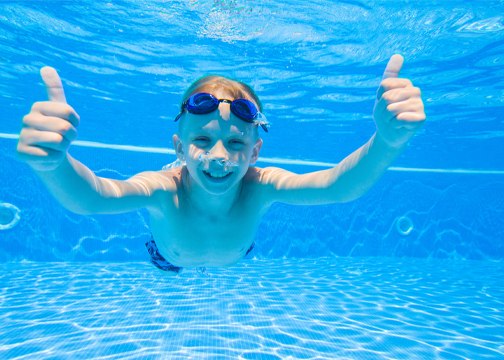
Is your chlorine pool demanding a lot of maintenance? Does the odor bother you or cause irritation to your eyes and skin?
More and more homeowners are choosing to convert their pools to saltwater systems to simplify maintenance while enhancing their swimming comfort.
Saltwater pools offer a more natural swimming experience, with water that is gentler on the skin, hair, and eyes. In addition, they require less maintenance and reduce the need to handle and transport chemical products, making them a more environmentally friendly option in the long term.
But how do you switch from chlorine to salt? Here’s a step-by-step guide to get you started!
Discover our pool salt, available at many retailers.
1. What’s the difference between chlorine and salt pools?
Before making the switch, it’s important to understand the differences between the two types of pools.
Chlorine pools require the regular addition of chlorine to maintain the right level of disinfectant in the water.
Saltwater pools, on the other hand, use a salt chlorine generator to convert salt into chlorine, which then sanitizes the pool. While both types of pool require maintenance, saltwater pools require less frequent attention and have lower long-term maintenance costs.
Advantages and Disadvantages of Saltwater Pools
Advantages of a Saltwater Pool
- Less Odor and Irritation: Unlike traditional chlorine, the chlorine generated from salt is gentler. The result: less odor and reduced irritation for the eyes and skin. It’s a great option for families with young children or individuals with sensitive skin.
- Less Daily Maintenance: A saltwater system automatically generates chlorine through electrolysis, reducing the need for frequent manual adjustments and chemical additions. This makes maintenance easier and more consistent over time.
- Softer, More Comfortable Water: Although the water in a saltwater pool is not as salty as seawater, it contains enough salt to create a smoother, more pleasant feel on the skin.
Disadvantages to Consider
- Higher Installation Cost: The salt electrolysis system, which includes a cell, controller, and electrical unit, represents a higher initial investment. Depending on the model and type of pool, purchase and installation costs may vary.
- Electrolysis Cell Maintenance: The cell must be cleaned regularly to prevent calcium buildup. It also has a limited lifespan (typically between 3 and 7 years), which leads to periodic replacement costs.
- Less Suitable for Certain Above-Ground Pools: Above-ground pools with metal components (e.g., galvanized steel walls) may be affected by corrosion caused by salt. An evaluation is recommended before making the switch.
2. Check Your Pool Equipment
Before converting your pool to a saltwater system, it’s important to ensure that your pool equipment is compatible.
Saltwater pools require a salt chlorine generator, which is installed with your pool’s piping system. Make sure your pool pump and filter are in good condition and are the right size for your pool.
Changing your pool’s filtration mode is the perfect time to reassess the condition of your equipment. You definitely want to get this project off to a good start!
3. Determine the Right Size of Salt Chlorine Generator
Salt chlorine generators come in different sizes (depending on the size of your pool). It’s important to choose the right size of generator to ensure that your pool is properly disinfected. A generator that’s too small won’t be able to produce enough chlorine, while one that’s too big will incur unnecessary extra costs.
Make sure you know the dimensions of your pool when buying a salt chlorine generator. The professionals who advise you will then be able to recommend the right device.
4. Calculate the Amount of Salt Required
Saltwater pools need salt to function, but not just any kind. You need to use a salt specifically designed for pools.
The amount of salt you need depends on the size of your pool, the manufacturer’s recommendations and the level of salinity you wish to achieve. Generally speaking, you’ll need about 50 lb (22.67 kg) of salt for 2,000 gallons (7,570 litres) of water.
It’s important to know the volume of water in your pool!
Here are a few examples to help you visualize different volumes:
|
Dimension |
Gallons |
Litres |
|
15’ |
5,200 |
19,684 |
|
18' |
7,600 |
28,769 |
|
21’ |
10,400 |
39,369 |
|
24’ |
13,500 |
51,102 |
|
27’ |
17,200 |
65,108 |
5. Clean your Pool
It is generally not necessary to completely drain your pool to perform the conversion. However, a thorough cleaning and proper water balancing are recommended prior to installing the saltwater system.
6. Install the Salt Chlorine Generator
Once your pool has been drained and cleaned, it’s time to install the salt chlorine generator. This device attaches directly to your pool’s plumbing system and converts salt into chlorine.
Follow the manufacturer’s instructions carefully to ensure that the generator is installed correctly. Don’t hesitate to ask for professional help if needed.
7. Add Salt to Your Pool
Now that the salt chlorine generator has been installed, it’s time to add salt to your pool. Add it gradually, spreading it evenly over the entire surface of your pool. Use a pool brush to stir the water and help dissolve the salt.
8. Test the Water
Time to test the water! This step is important to ensure that the salinity level is perfect. Use a saltwater test kit to measure the salinity level, and adjust the salt level if necessary.
9. Start the New System
Salt level is adjusted? It’s time to start the salt chlorine generator. Follow the manufacturer’s instructions to switch on the generator and set it to the right power level for your pool.
10. Maintaining Your saltwater Pool
Your chlorine pool is now running on saltwater! However, your job doesn’t stop there. Ongoing monitoring and maintenance are essential to ensure your water remains clean and safe. Here are a few tips:
- Check your water’s salinity regularly. Test your pool water using a test kit to monitor chlorine levels, pH, alkalinity, and water hardness.
- Inspect the electrolysis cell every 6 to 8 weeks to detect any calcium buildup that may reduce its performance. If needed, clean it using a mild solution (following the manufacturer’s instructions).
- Clean the pool, filters, and skimmer regularly using a brush and vacuum to prevent algae growth. Rinse filters frequently and remove debris from the skimmer to ensure proper water circulation.
- Monitor system performance at the beginning and end of the season. Salt systems are less effective in cold water (below 15°C / 59°F). At the start or end of the season, it may be necessary to manually add chlorine if the water temperature is too low.
- Have your salt system checked at least once a year, preferably at the start of the season. This helps extend its lifespan and prevent potential breakdowns.
By following these steps and performing regular maintenance, you can enjoy a clean, clear and environmentally friendly saltwater pool all summer long!
Enjoy your Swim!
Other Frequently Asked Questions About Saltwater Pools
Does salt completely replace chlorine?
Salt is converted into chlorine through electrolysis. It is therefore not a chlorine-free pool, but rather an automated disinfection method.
What type of salt should be used for a pool?
Use pure pool salt (sodium chloride without additives).
How long does a salt cell last?
The average lifespan is between 3 and 7 years, depending on usage and maintenance.
Can you swim immediately after adding salt?
It is recommended to wait until the salt has fully dissolved and the system is active, which takes about 24 hours on average.
Feel free to contact us for all questions about your pool filtration media.
Did you know that you have other options? Here’s an article to help you choose between sand and glass for pool filtration.
