
Which concrete should you choose for building a garage slab?
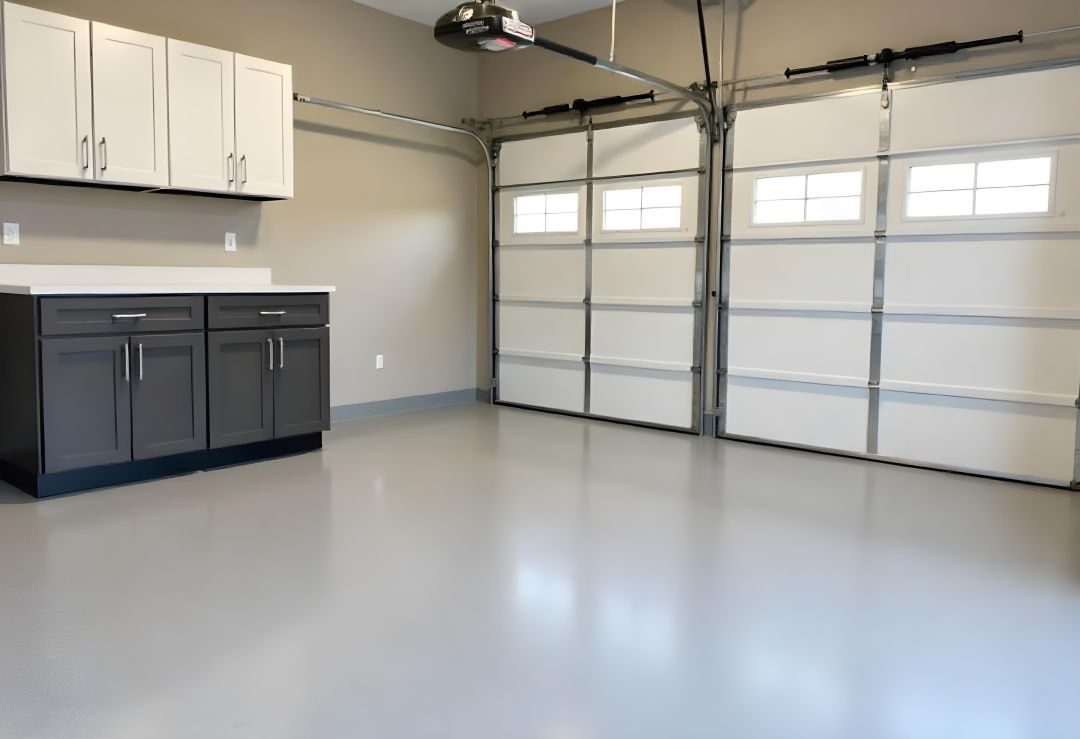
Whether you are building a new garage, adding one to your home, or renovating an existing garage, the concrete slab is a critical component that must be properly designed and installed.
To ensure long-term durability and strength, choosing the right type of concrete is essential. But which concrete is best suited for a garage floor? The concrete experts at Groupe Bellemare help you understand the available options so you can make an informed choice for a strong and durable garage.
Why is it important to choose the right concrete for a garage slab?
The concrete used for a garage slab must meet specific requirements to withstand both structural loads (your vehicles) and climate conditions (Quebec winters).
-
Risk of cracking: Cars, motorcycles, and heavy equipment (such as snow blowers) apply constant pressure to the slab. Properly designed concrete that can handle heavy loads reduces the risk of cracking.
-
Weather resistance: Garages are exposed to freeze–thaw cycles, especially in Quebec. Poorly selected concrete can deteriorate much faster.
-
Resistance to chemicals and oils: Garages are often exposed to motor oil, solvents, and de-icing salts. Concrete that resists chemicals and corrosive agents significantly extends the lifespan of the slab.
These factors highlight the importance of selecting the right concrete for a durable and easy-to-maintain garage slab.
Essential characteristics of concrete for a garage slab
Certain properties are essential to ensure a strong and durable slab:
-
Compressive strength: High-quality concrete must offer adequate compressive strength. A Class C-2 concrete (32 MPa) or higher is strong enough to withstand the loads and stresses of a garage slab.
-
Freeze–thaw resistance: The concrete must be designed for climates with frequent temperature fluctuations.
-
Low permeability: Low-permeability concrete prevents water infiltration and protects the internal structure.
-
Fast setting time: Fast-setting concrete can be useful when construction timelines are tight or in colder weather conditions.
Reinforced concrete or fiber-reinforced concrete: which should you choose?
Garage slab concrete can be reinforced in different ways to improve performance. The two main options are:
Reinforced concrete
Reinforced concrete includes steel reinforcement to improve tensile strength and reduce cracking under heavy loads.
-
Ideal for heavy-duty structures or garages with multiple vehicles
-
Our ready-mix concrete and shotcrete are excellent options for reinforced concrete applications
Fiber-reinforced concrete
This type of concrete contains synthetic or steel fibers that enhance resistance to cracking, impacts, and long-term wear.
-
Easier to install than reinforced concrete since it does not require steel mesh
Discover Groupe Bellemare’s premium fiber-reinforced concrete
Verdict
Both options are effective. For most residential projects, fiber-reinforced concrete is a perfectly suitable solution. Reinforced concrete is preferred when loads are heavier or when structural constraints are more demanding.
Concrete mix and strength for a garage slab
Concrete mix design plays a key role in the slab’s durability and strength.
-
Recommended strength: A 32 MPa concrete, compliant with Canadian standards (CSA), is generally recommended for garage slabs.
-
Compressive strength: The higher the compressive strength, the better the slab can support loads without cracking.
-
Poor mix design has consequences: An improper mix can lead to premature cracking and reduced slab lifespan. Protect your investment!
How to pour a durable garage slab
Pouring a garage slab requires several critical steps to ensure long-term performance.
Subgrade preparation
-
Properly compact the soil to ensure stability and prevent future settlement
-
Add a gravel base to improve drainage beneath the slab
Formwork and reinforcement
-
Install solid formwork to maintain the slab’s shape during pouring
-
Place steel mesh or rebar before pouring (if using reinforced concrete)
Concrete placement
-
Use concrete suited to the load requirements and climate conditions, such as Groupe Bellemare’s ready-mix concrete
-
Ensure the concrete is evenly distributed and properly leveled
Curing and drying
-
Protect the slab from direct sunlight and excessive moisture during curing
-
Wait at least 28 days before using the slab to ensure it reaches full strength
💡 Bellemare expert tip
A well-designed garage slab starts below the surface: proper soil compaction and drainage make all the difference in long-term performance.
Mistakes to avoid when building a garage slab
Even with the right concrete, certain mistakes can compromise slab durability:
-
Neglecting soil preparation, which can cause cracking and settlement
-
Using an improperly designed concrete mix
-
Failing to respect curing times, which can lead to early damage
To avoid costly errors, always work with professionals. To discuss your project, contact our Bellemare concrete experts.
The importance of applying a concrete sealer to a garage slab
To maximize the durability of your garage slab, applying a concrete sealer once the concrete has sufficiently cured is highly recommended.
A sealer acts as a protective barrier that limits the penetration of water, de-icing salt, oils, and other chemicals commonly found in garages. By reducing concrete permeability, it helps prevent scaling, premature cracking, and damage caused by freeze–thaw cycles.
Key benefits of a concrete sealer
-
Extends the lifespan of the slab by protecting it from moisture and chemical exposure
-
Reduces the risk of cracking and surface scaling caused by freezing and de-icing salts
-
Makes maintenance easier by preventing oil and grease stains from penetrating the concrete
-
Improves overall long-term surface durability
💡 Good to know
Applying a curing compound or sealer early in the concrete’s life also promotes proper curing, which is essential to achieving optimal slab strength.
👉 To learn more about the solutions offered by our experts, discover our concrete curing and sealing agent.
Frequently Asked Questions
How thick should a garage slab be?
Thickness depends on usage and vehicle loads. For a typical residential garage, a thickness of 10 to 15 cm (4 to 6 inches) is usually sufficient, but it may need to be increased depending on soil conditions or vehicle weight.
👉 For more details on recommended slab thickness in Quebec, read our article: Concrete Slab Thickness in Quebec — Complete Guide
Is reinforced concrete always required for a garage slab?
Not always. Reinforced concrete (with steel mesh or rebar) is particularly useful for heavy loads or multiple vehicles, but fiber-reinforced concrete is a strong, simpler alternative suitable for most residential garages.
Can you pour a garage slab in winter in Quebec?
Yes, but it requires proper cold-weather planning. Concrete exposed to freezing too early can lose strength. You must:
-
Use cold-weather mixes and admixtures
-
Protect the concrete during setting (heating, insulating blankets, etc.)
-
Adjust curing methods to prevent early freezing
👉 For detailed guidance, see our article: How to Pour Concrete in Cold Weather: Practical Tips
How long should you wait before using the slab?
Concrete generally reaches its design strength at 28 days, though it gains strength rapidly during the first weeks. To avoid damage, limit heavy vehicle traffic during this period, especially in the early days.
How can you reduce the risk of cracking?
Best practices include:
-
Proper soil preparation and drainage
-
Choosing concrete suited to loads and climate
-
Installing control joints to manage cracking
-
Ensuring proper curing (maintaining moisture in the first days)
Can water, salt, or oil damage the slab?
Yes. These agents can penetrate highly permeable concrete and accelerate deterioration. Quality garage concrete should have low permeability to limit infiltration of water, de-icing salts, and automotive fluids.
Everything starts with the right concrete
Choosing the right concrete is essential for ensuring the durability of a garage slab. Reinforced concrete, with its steel reinforcement, is ideal for garages subject to heavy loads, while fiber-reinforced concrete is an attractive option for faster installation.
Planning a garage slab? Our experts can help you select the concrete best suited to your project and site conditions. Contact us today!
