
Asphalt or Concrete Driveway: Which Option Is Best for Your Home?
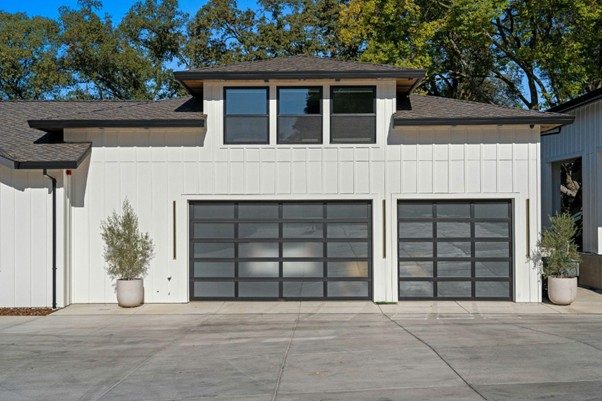
Your driveway is one of the first features people notice about your property. In Québec, the classic debate often comes down to asphalt versus concrete. While both options are popular, they meet very different needs, budgets, and lifestyle preferences. The experts at Groupe Bellemare have analyzed the advantages and disadvantages of each material to help you make an informed decision.
Asphalt Driveways: The Affordable and Fast Installation Option
Asphalt driveways are composed of a mixture of aggregates and bitumen, a sticky, black, highly viscous liquid that acts as a binder. Here’s everything you need to know about them.
What Are the Advantages of an Asphalt Driveway?
- Affordable Cost: Asphalt is generally less expensive than concrete, making it a popular choice for homeowners looking for a more budget-friendly option.
- Easy Maintenance: Asphalt driveways require relatively little maintenance. Periodic sealing is recommended to prevent cracks and potholes.
- Quick installation: Asphalt driveways can be installed very quickly, usually within a few days. This is ideal for homeowners with tight deadlines.
- Weatherproof: Asphalt is designed to withstand extreme temperatures, making it an excellent choice for Quebec’s harsh winters. Heavy snowfall, ice and freezing temperatures can damage less durable materials.
What Are the Disadvantages of an Asphalt Driveway?
- Limited Color Options: Unlike concrete, asphalt is only available in one color — black.
- Shorter Lifespan: Asphalt driveways typically last 15 to 20 years, compared to 30 years or more for concrete.
- Ongoing Maintenance: Requires sealcoating every 2 to 3 years to help prevent cracks and potholes.
- Sensitive to Oil and Gas Stains: Asphalt is more porous than concrete, making it more vulnerable to oil and fuel stains that can be difficult to remove.
- Québec’s Harsh Winters: Frequent freeze-thaw cycles can allow water to penetrate the asphalt, leading to cracks and potholes over time. Regular sealing is important to help prevent these issues.
- Less Environmentally Friendly: Although asphalt is an affordable option, it is not the most eco-friendly choice. Asphalt production relies on fossil fuels and generates greenhouse gas emissions that contribute to climate change.
Concrete Driveways: The Durable and Stylish Option
Concrete driveways are made from a mixture of cement, water and aggregates such as gravel and sand. Here are the advantages and disadvantages of this material.
What Are the Advantages of a Concrete Driveway?
- Enhanced Curb Appeal: Concrete driveways offer a wide range of colors and design options, making them an excellent choice for homeowners looking to add a unique touch to their property. They are also available in various finishes, including stamped or stained patterns that can mimic the appearance of natural stone or brick.
- Durability: Concrete driveways can last more than 30 years with minimal maintenance and perform exceptionally well in Québec’s harsh winters.
- Low Maintenance: Unlike asphalt, concrete is less porous and more resistant to stains, making it easier to clean and maintain. A pressure washer and mild detergent are usually all that’s needed.
- Increased Property Value: A concrete driveway can enhance the value of your home, making it a smart long-term investment.
- Environmentally Friendly: Concrete is a durable and eco-conscious construction material made from natural resources such as sand, gravel, and cement.
What Are the Disadvantages of a Concrete Driveway?
- Higher Initial Investment: Material and labor costs are generally higher than asphalt, although its longevity makes it a worthwhile long-term investment.
- Longer Curing Time: Concrete requires a longer drying and curing period before vehicles can be parked on the surface.
- Potential for Cracking: Although concrete is highly durable, it can develop cracks over time, especially in areas exposed to extreme weather fluctuations.
Asphalt vs. Concrete Driveway Comparison
| Features | Asphalt | Concrete |
| Lifespan | 15-20 years | 30+ years |
| Initial Cost | Affordable | Higher upfront investment |
| Maintenance | Higher (regular sealcoating required) | Low (mainly cleaning) |
| Design Options | Black only | Wide variety of colors and textures |
| Heat Resistance | Absorbs heat and softens | Stays cooler and more rigid |
How to Make a Choice?
The choice between an asphalt or concrete driveway depends on your personal preferences, your budget and the specific needs of your property. Both options have their unique pros and cons, so it’s important to weigh them carefully before making a decision.
Investing in a high-quality driveway can enhance your home’s exterior appeal and increase its value for years to come!
For all your concrete needs and questions, contact our experts!
Specialized Services to Support Your Concrete Projects
Stone Slinger Rental
Ideal for spreading foundation materials with precision. For accurate placement and minimal material waste, consider renting a stone slinger truck. Groupe Bellemare provides specialized equipment to support your construction projects. Contact us for more details.
Concrete Mixer Rental
To deliver certified concrete, regardless of the size or scope of your project. Groupe Bellemare has a variety of concrete mixers to meet your needs. Our qualified operators can help you select the right equipment for your project.
Construction Waste Container Rental
Need a container for disposing of old pavement or construction debris? Our container rental service allows waste to be sent directly to our sorting center, where as many materials as possible can be recycled and repurposed.
Concrete Calculator
For the best quality concrete, choose Bellemare concrete! Use our concrete calculator to find out the exact quantity of concrete required for your project.
How to maintain your driveway?
Here are our expert tips for maintaining asphalt and concrete driveways to help preserve their durability and appearance over time:
Winter-specific protection
Strategic Snow Removal: During winter, regular snow removal is essential to prevent excessive buildup of snow and ice on your driveway. Pressure and moisture are among the leading causes of cracks and surface damage.6
Using Proper De-Icers and Anti-Slip Products: When de-icing, be sure to use products specifically designed for concrete or asphalt surfaces. Some chemicals can cause deterioration over time.
Check out Groupe Bellemare’s Nordic products and learn how to use them!
Preventive Sealing: Before winter begins, consider sealing your asphalt or concrete driveway to protect it from water infiltration. A high-quality sealant can extend the lifespan of your driveway by reducing the risk of cracks and freeze-related damage.
Want to learn more? Here are 13 tips to protect your driveway in winter!
General Damage Prevention
Quick Repairs: If cracks or other damage appear, repair them as soon as possible to prevent further deterioration. Small cracks can be sealed with specialized products, while larger issues may require professional assistance.
There’s No Wrong Choice!
Choosing between an asphalt or concrete driveway depends on various factors, including your aesthetic preferences, budget, and specific home needs. While asphalt driveways offer benefits such as lower initial costs and quick installation, concrete driveways stand out for their durability, customizable appearance, and environmental benefits.
Regardless of your choice, investing in a high-quality driveway is a sure way to enhance your home’s curb appeal and increase its value.
For personalized advice or to take advantage of our services, don’t hesitate to contact our experts at Groupe Bellemare.
